Classicism1814
The Stour Valley and Dedham Church
John Constable
Curator's Eye
"A panoramic view of the Stour Valley dominated by the Dedham Church tower, where agricultural labor integrates into a vibrant nature under a shifting sky."
A manifesto of English naturalism, this work transcends simple landscape to become a profound meditation on the symbiosis between man, the land, and the atmospheric cycles of Suffolk.
Analysis
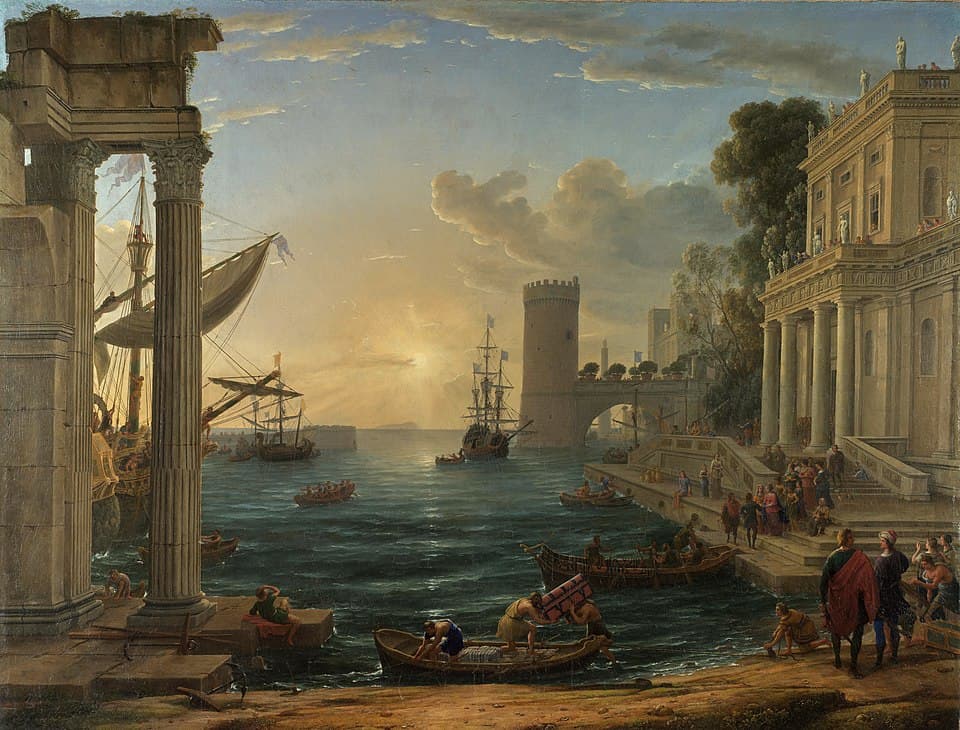
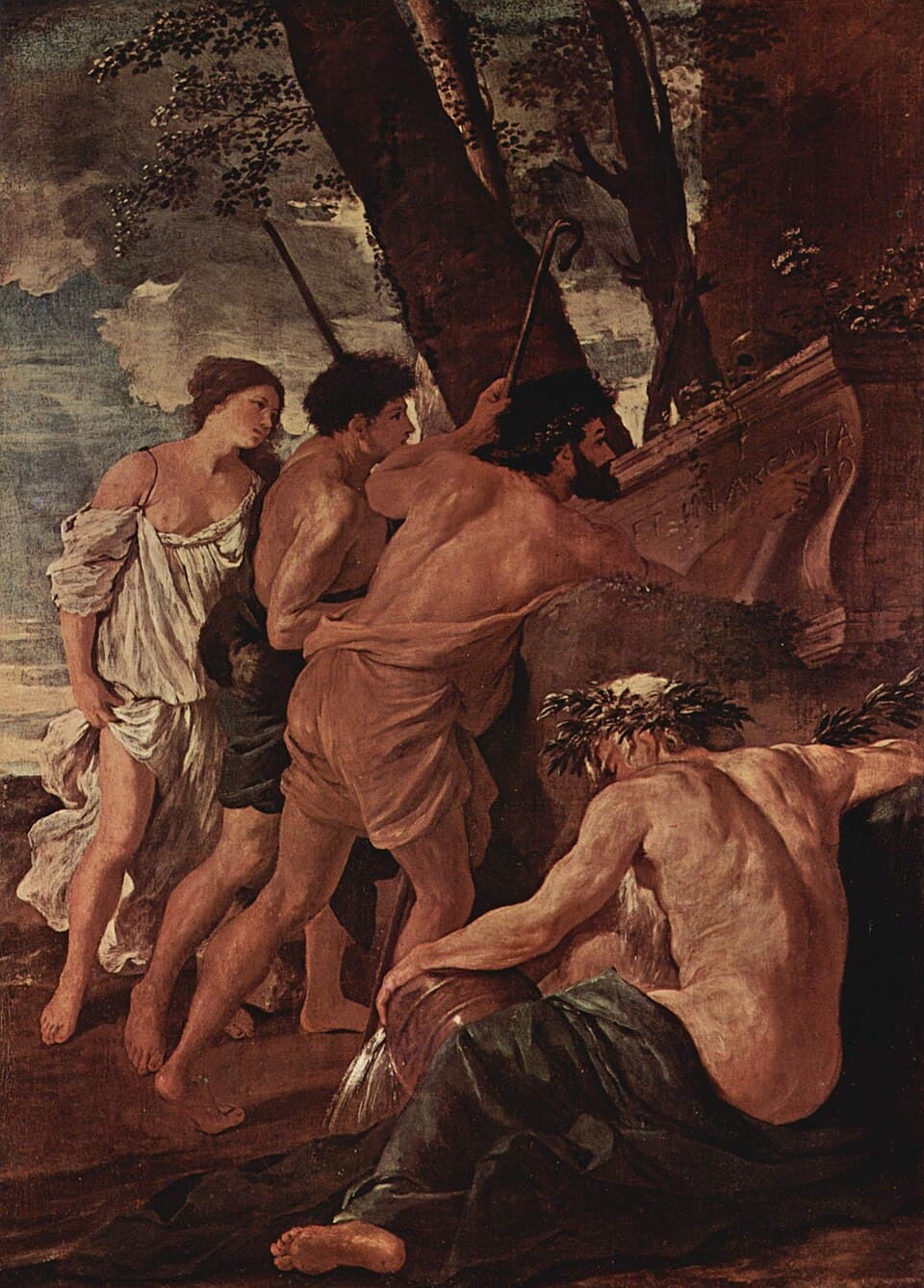
Painted around 1814, this work marks a crucial stage in John Constable's evolution toward what he termed the "natural landscape." Unlike his contemporaries who idealized nature according to the classical codes of Claude Lorrain or Poussin, Constable sought absolute topographical and emotional truth. For him, painting was not mere imitation but a science of observation. The historical context is that of the nascent Industrial Revolution, and through this canvas, Constable seems to freeze a rural and immutable England while using light-rendering techniques that were entirely revolutionary for his time.
The "mythological" context of this work resides in the artist's personal myth: his visceral attachment to "Constable Country." For the artist, every tree, every river reach, and every cloud in Suffolk possessed a spiritual charge. Dedham Church, whose tower punctuates the horizon, is not just a geographical landmark but a symbol of divine and moral presence within nature. There are no nymphs or ancient gods here, but a sacralization of laborious daily life. Farm workers and animals become the new heroes of a modern pastoral epic, where the land is the source of all life and truth.
Constable's technique in this version of the Stour Valley is of surgical precision mixed with great freedom. He used small touches of pure white, often called "Constable's snow," to simulate the sparkle of dew and the reflections of light on leaves. This optical naturalism foreshadowed Impressionism by several decades. The artist painted en plein air (partially) and relied on countless sky studies. The texture of the paint itself, with its impasto in places, suggests the materiality of mud, grass, and wood, creating an immersive experience where the viewer can almost breathe the dampness of the valley.
Psychologically, the work is an exploration of nostalgia and a sense of belonging. Constable claimed that his childhood spent in these landscapes made him a painter. One senses in this canvas a quest for order and serenity in the face of the artist's personal torments, notably his financial difficulties and his thwarted love for Maria Bicknell. The valley is a psychic refuge, a space where the chaos of the external world is tempered by the regularity of nature's cycles. It is a work of devotion, where painting becomes an act of prayer to preserve what is dear to the soul against the passage of time.
Join Premium.
UnlockQuiz
What technique did Constable use to capture the movement of light on the landscape?
Discover