Post-Impressionism1888.jpeg
The Sower
Vincent van Gogh
Curator's Eye
"Dominated by an immense and radiant sun, the work uses a violent contrast between chrome yellow and deep purple. This canvas marks a break from Millet's realism to enter a symbolist and expressive dimension."
A burst of primary colors and a symbol of renewal, this Sower embodies Van Gogh's spiritual quest in Arles. The artist merges the influence of Japanese prints with a quasi-religious fervor for manual labor.
Analysis
Painted in June 1888 in Arles, "The Sower" represents the culmination of a thematic obsession for Van Gogh. The artist seeks to reinvent the rustic subject he so admired in Jean-François Millet by projecting it into a radical chromatic modernity. For Vincent, the sower is not just an agricultural worker; he is a Christ-like figure, a symbol of the eternal return of life and creative force. The act of sowing becomes a metaphor for his own work as an artist, throwing colors onto the canvas like seeds into a furrow.
Deep light analysis reveals a mystical intention. The sun is no longer a distant star but an overwhelming presence, a disk of pure gold that seems to act as a halo behind the sower's figure. This fusion between nature and the sacred is typical of Van Gogh's Arles period, where he sought to express "something eternal" through everyday life. The heat is almost palpable, rendered by the generous impasto of the paint that captures the physical light of the room where the painting is displayed.
The color contrast is pushed to its theoretical limits. Van Gogh uses the color wheel aggressively here: the purple of the ground, composed of blue and red, directly opposes the yellow of the sky. This voluntary dissonance creates a visual tension that expresses the sower's physical effort and the harshness of the earth's work. This is not an idyllic vision of the countryside, but a fierce struggle for survival and regeneration, a theme that resonates with the artist's fragile mental health at that time.
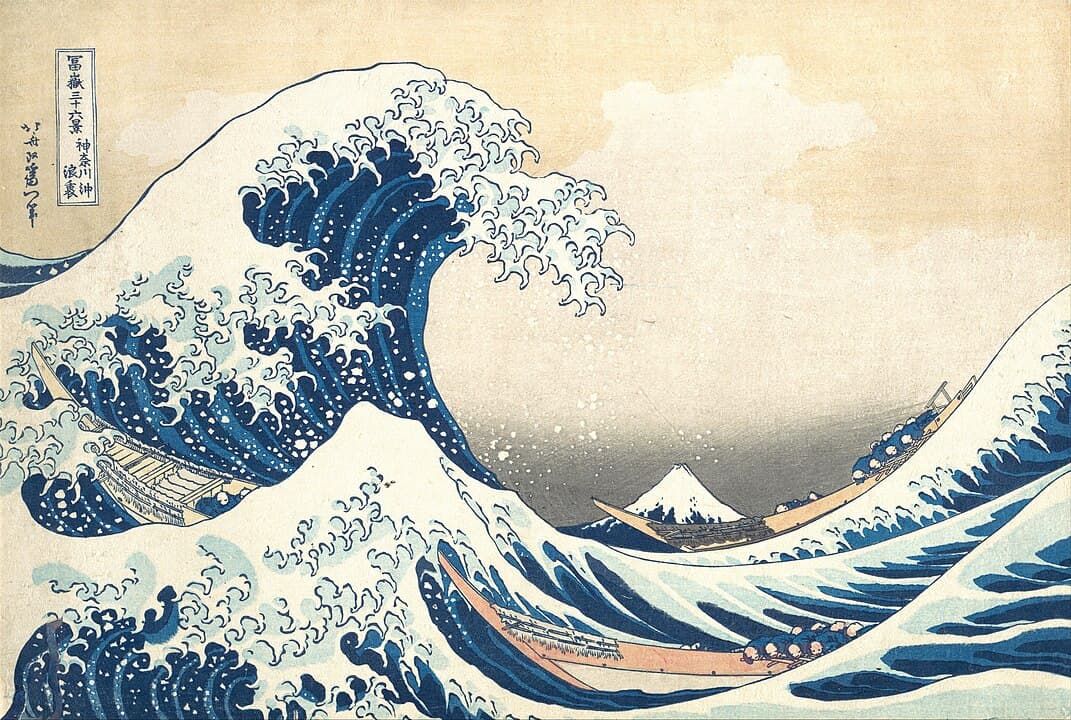
The influence of Japonisme is fundamental here. It can be found in the bold division of space and the use of large areas of vibrant color. The tree trunk that bars the canvas diagonally in some versions of this theme (notably the November 1888 version) directly recalls Hiroshige's prints. In this version, the simplification of forms and the absence of classical perspective betray this fascination for Oriental art, allowing Van Gogh to free himself from Western conventions of realism.
Finally, the work testifies to Van Gogh's desire to become the "painter of the future." In his letters to Theo, he explains his wish to create an art that consoles, an art that is accessible to the people while being technically revolutionary. The Sower is this modern icon: a simple, powerful image whose visual force is capable of touching any viewer, regardless of their culture, through the sheer power of its color and rhythm.
Join Premium.
UnlockQuiz
Beyond the contrast with the sun, what specific technical challenge did Van Gogh face regarding the purple of the plowed field in this Arles work?
Discover